
In Idaho, understanding debt collection laws under the Fair Debt Collection Practices Act (FDCPA) is crucial for protecting debtor rights. Debt collector lawyers specialize in navigating these regulations, offering guidance on legal options against unethical practices. Debtors are entitled to clear information, while collectors must adhere to fair and ethical methods. Violations can lead to legal action, including demand letters, damages, or reporting to the Attorney General's Office within a two-year statute of limitations.
Navigating Idaho's debt collection laws is crucial for both debtors and collectors. This comprehensive guide explores the rights and responsibilities within the state's legal framework. Understanding these regulations, from the initial contact by a debt collector to potential legal action, empowers individuals to protect their rights. Whether you're a debtor seeking clarity or a collector operating in Idaho, this article offers valuable insights into the state's debt collection procedures, emphasizing the importance of adherence to these laws, especially for debt collector lawyers in Idaho.
Understanding Idaho Debt Collection Laws

Understanding Idaho Debt Collection Laws
In Idaho, debt collection practices are governed by both state and federal laws, ensuring fairness for debtors. The main legislation to familiarize yourself with is the Fair Debt Collection Practices Act (FDCPA), which sets guidelines for how debt collectors can interact with consumers. This includes restrictions on when and how often they can contact you, as well as requirements for validation of the debt.
Debt collector lawyers in Idaho play a crucial role in navigating these laws to protect your rights. They can advise you on your legal options if you feel aggrieved by the collection process, helping you understand your rights under both state and federal law. Whether you're facing overwhelming debts or questionable collection tactics, consulting with a debt collector lawyer in Idaho is an important step toward resolving the situation effectively.
Rights of Both Debtors and Collectors

In Idaho, both debtors and debt collectors have specific rights and responsibilities. Debtors have the right to receive clear and accurate information about their debt, including validation of the debt amount and purpose. They can also request verification of the debt and dispute it if they believe it's inaccurate. On the other hand, debt collectors in Idaho must adhere to fair and ethical collection practices as outlined by state law. Collectors cannot harass, threaten, or use deceptive tactics to extract payments from debtors. They must provide proper notice, respect personal boundaries, and cease collection efforts if requested.
If a debtor feels their rights have been violated by a debt collector, they can take action with the help of debt collector lawyers in Idaho. These legal professionals can guide debtors through their options, file complaints with relevant authorities, or even pursue legal action against unethical collectors. Understanding one's rights and knowing when to seek professional assistance is crucial for navigating Idaho's debt collection laws effectively.
Legal Action and Enforcement Procedures
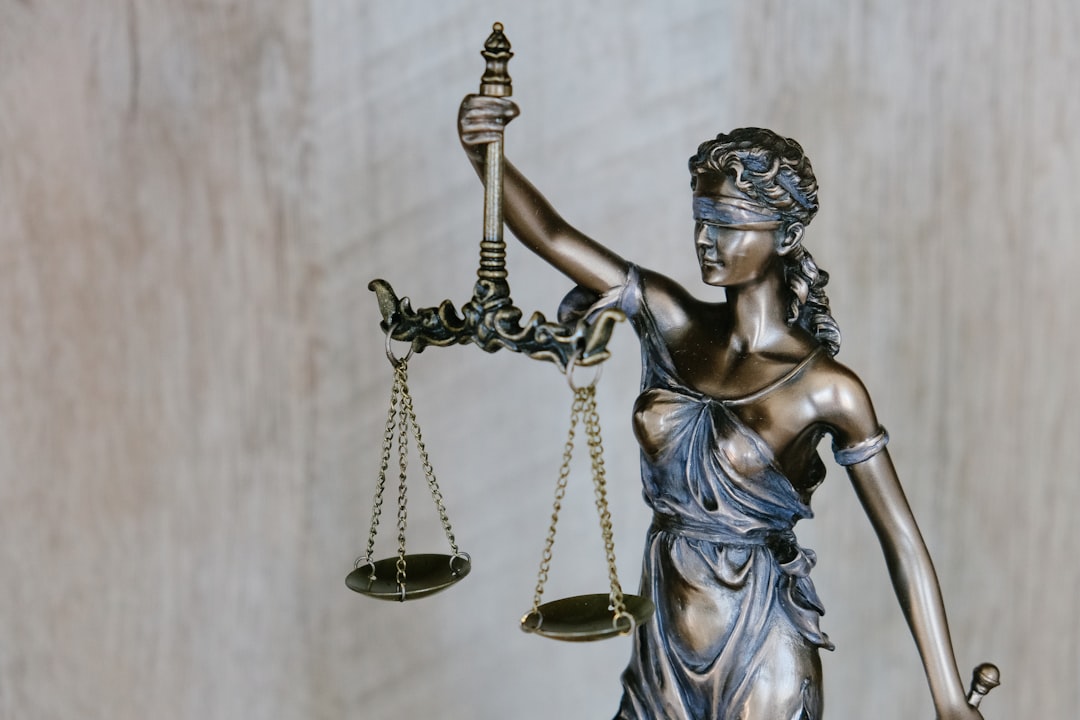
In Idaho, debt collection laws are designed to protect consumers from abusive or unfair practices by debt collectors. If a debt collector violates these laws, individuals have the right to take legal action. Debt collector lawyers in Idaho can advise clients on their rights and help them pursue appropriate enforcement procedures. These may include sending a demand letter to the debt collector for violation of the Fair Debt Collection Practices Act (FDCPA), seeking damages for emotional distress or harassment caused by the collector, or reporting the violations to the Attorney General's Office.
The state allows consumers to sue debt collectors for damages and attorney fees if they engage in unlawful collection practices. Legal actions can be initiated within two years of the violation, per Idaho's statute of limitations. Consumers are encouraged to document all interactions with debt collectors, including dates, communication methods, and any evidence of harassment or false claims. This documentation can serve as crucial evidence during legal proceedings against debt collector lawyers in Idaho.